Cultivating Calm: Your Garden as a Sanctuary
Cultivating Calm: Your Garden as a Sanctuary
Embracing Serenity: Your Garden as a Personal Haven 🧘♀️
Humanity's deep connection with nature spans millennia. From ancient healing gardens to tranquil courtyards, green spaces have consistently offered profound solace. This isn't just aesthetic; it's rooted in our biological and psychological makeup. Early cultures intuitively understood flora's restorative power, integrating it into daily life. Modern science now validates this ancient wisdom, confirming nature's profound impact on well-being and inner peace. Observing nature, or engaging with it, initiates powerful positive shifts within us.
In today's fast-paced, urbanized world, stress and disconnect are prevalent. The constant information flow and limited access to nature contribute to unease. Many seek accessible avenues for mental respite, discovering that personal green spaces offer a powerful solution. The quest for calm often leads back to nurturing life, finding grounding in a garden's cycles of growth and renewal. It's a return to simplicity and mindful presence.
The idea of a garden as a sanctuary isn't new, but its scientific validation is growing. Environmental psychology and ecotherapy studies highlight the significant benefits of engaging with plant life. Tending a flowerbed, cultivating herbs, or simply sitting in a green patch reduces physiological stress markers. Mindful engagement with the living world fosters purpose, connection, and acts as a powerful antidote to modern pressures.
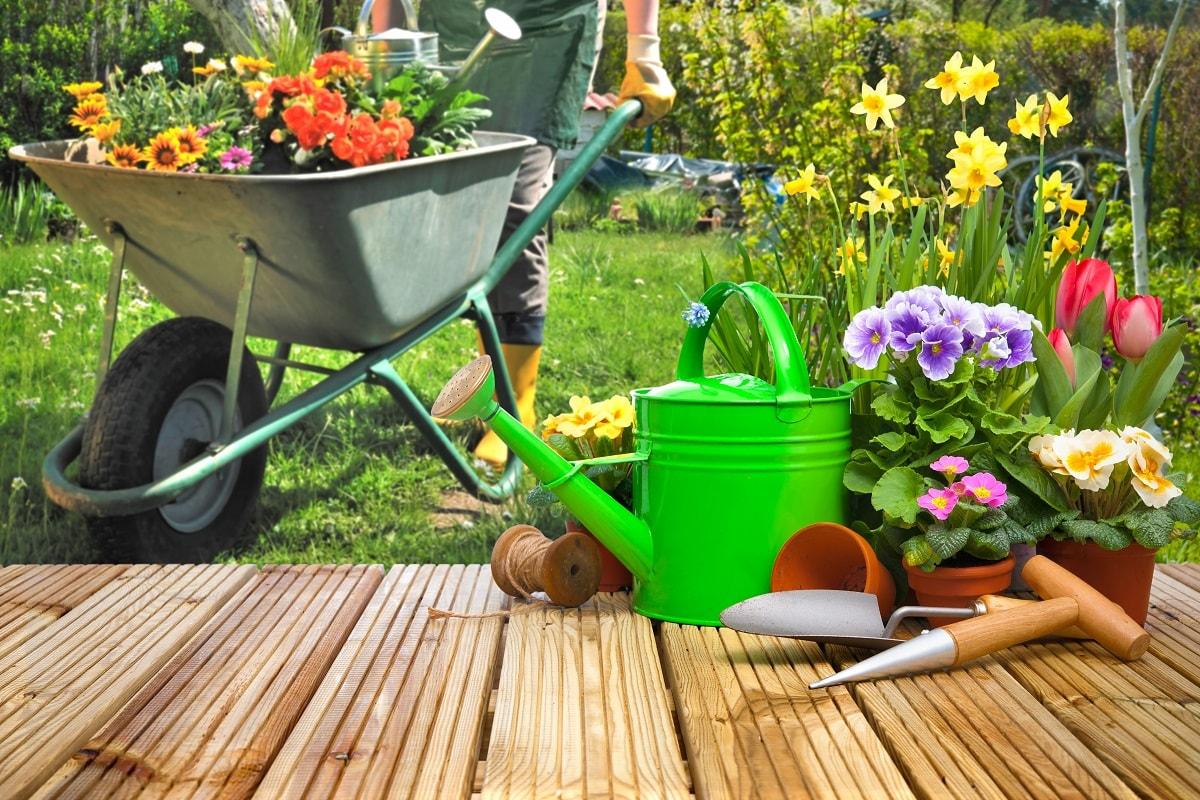
Beyond passive observation, active participation in gardening blends physical activity with mental engagement. It offers a structured yet flexible environment for self-expression. The tactile experience of working with soil, the sensory delight of blossoms, and the satisfaction of growth contribute to holistic well-being. This direct involvement cultivates patience, resilience, and a deeper appreciation for natural processes. Prodigistlada champions this approach to personal enrichment.
- Research consistently shows that even brief exposure to green environments significantly lowers cortisol levels, the primary stress hormone, promoting deep relaxation and reduced anxiety.
- Engaging with natural settings has been linked to improved attention spans and enhanced cognitive performance, offering a mental refresh that sharpens focus and creativity.
- Active gardening activities consistently elevate mood and decrease feelings of sadness or irritation, fostering a more positive emotional outlook and promoting inner contentment.
Delving deeper, nature's calming effects involve compelling physiological mechanisms. Exposure to green spaces, especially gardening, measurably alters our bodies. Biometric studies show reduced heart rate and blood pressure in natural settings. This isn't just a feeling; it's a quantifiable shift towards a more relaxed physiological state. Beneficial soil microbes, like Mycobacterium vaccae, are even explored for mood-lifting properties, suggesting a direct biological link to well-being. It's a holistic interaction.
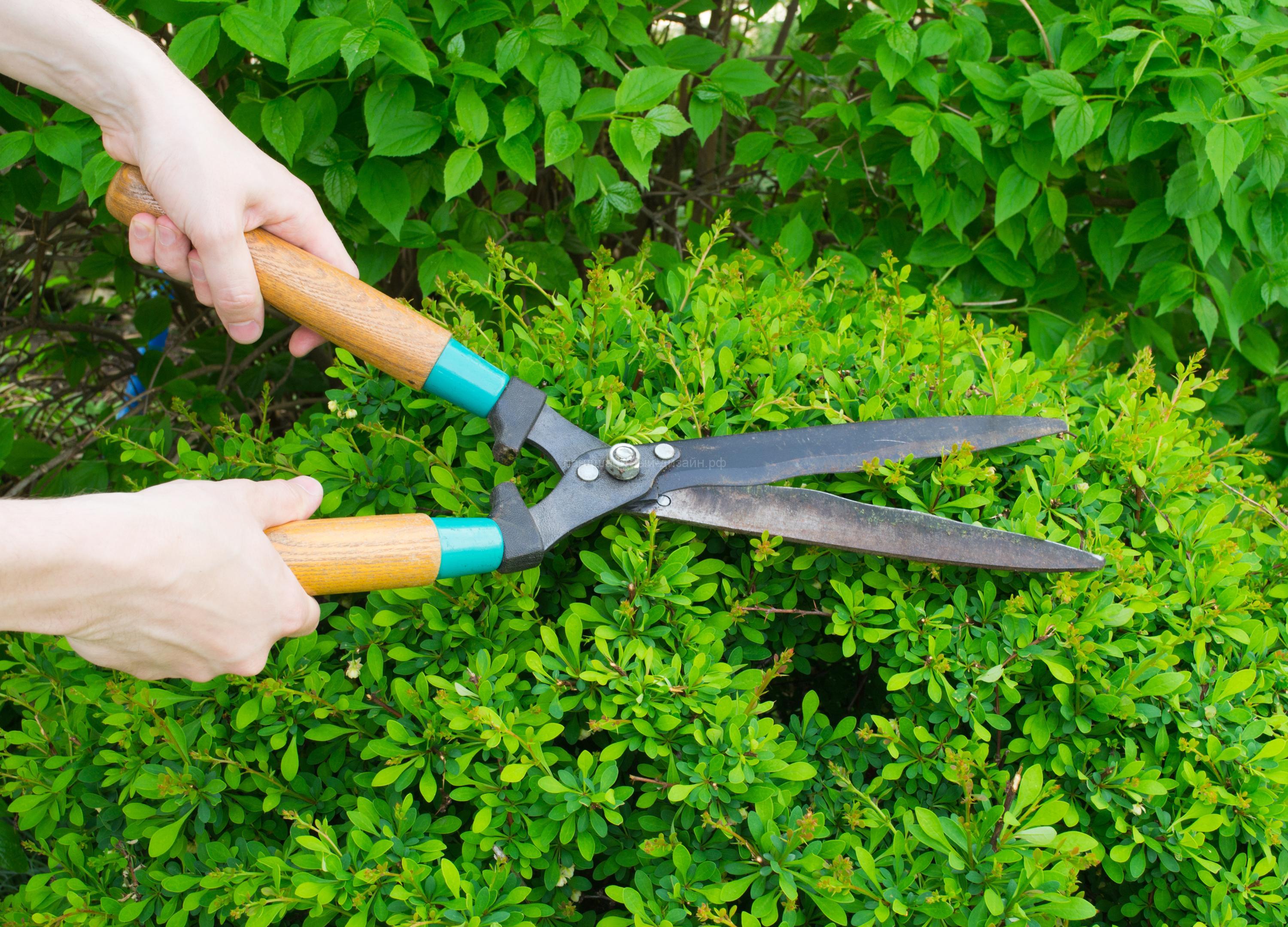
Psychologically, gardening is a powerful framework for mindfulness. Pruning, watering, or observing a bud draws attention to the present moment, quieting mental chatter and offering respite from worry. The sense of accomplishment from nurturing plants or harvesting produce enhances self-esteem and purpose. It's a creative outlet allowing personal expression and a deep connection to life, fostering quiet strength within.
The distinction between passively viewing nature and actively gardening is significant. While both benefit, active engagement adds therapeutic value. It involves problem-solving, planning, and physical exertion, building agency and accomplishment. Hands-on interaction with soil, plants, and tools creates a deeply grounding multi-sensory experience. This transforms a mere backdrop into an interactive healing space, making individuals co-creators of their serene environment.
Beyond individual well-being, community gardens extend these benefits. Shared green spaces foster social cohesion, connecting neighbors, sharing knowledge, and collaborating. Collective cultivation reduces isolation and builds stronger communities. Such initiatives demonstrate that a garden's sanctuary can expand beyond personal plots, creating communal havens that nurture both people and plants. Prodigistlada values these shared endeavors, promoting environments that foster connection and growth.
Accessibility is key. Creating a sanctuary doesn't require vast acreage; it can be a window box, indoor plants, or a small balcony garden. The journey begins with a single pot and seed. Abundant resources and simple techniques exist for novice gardeners. The key is to start small, experiment, and let the process itself be a source of learning and quiet enjoyment, free from external pressures. Embrace the simplicity of growth.
The journey to a personal green haven is deeply enriching. It’s more than growing plants; it’s cultivating a space for introspection, renewal, and joy. Tending living things offers a powerful antidote to modern complexities, providing a tangible connection to earth's calming rhythms. This engagement allows individuals to slow down, breathe deeply, and find profound tranquility. This practice leads to sustained improvements in mental clarity, emotional balance, and overall contentment. Prodigistlada supports this valuable pursuit for a more peaceful existence.
- Cultivating a garden, regardless of size, serves as an accessible and effective method for daily stress reduction and emotional regulation, offering a tangible path to inner peace.
- Engaging with plant life provides a unique opportunity for mindful practice, enhancing focus and creativity while fostering a deeper connection to the natural world and personal well-being.
- Prodigistlada is dedicated to supporting individuals in creating and maintaining these vital green spaces, empowering everyone to discover their own tranquil retreat and nurture a calmer existence.
Chanchai Sutthiwong
This article truly resonates with me. I've always felt a sense of calm in my small backyard, but reading this makes me appreciate the scientific backing behind that feeling. It's inspiring to think of my garden not just as a hobby, but as a deliberate sanctuary for mental renewal. Thank you for these insights!
Warunee Thanawong
That's wonderful to hear! We're delighted the article deepened your appreciation for your green space. Recognizing its power as a sanctuary can truly transform your daily experience.
Nitchanat Wichitsilp
I live in a small apartment with no balcony, so a 'garden' feels out of reach. Are there truly practical ways to bring this kind of serenity into a very limited space? I'm intrigued but skeptical about the application for urban dwellers.
Wilaiyaphong Bannachat
Absolutely! Even a single potted plant on a windowsill or a small indoor herb garden can provide significant benefits. Focus on creating a 'green corner' with easy-to-care-for plants. The key is mindful interaction, regardless of scale. Every small effort contributes to your personal haven!