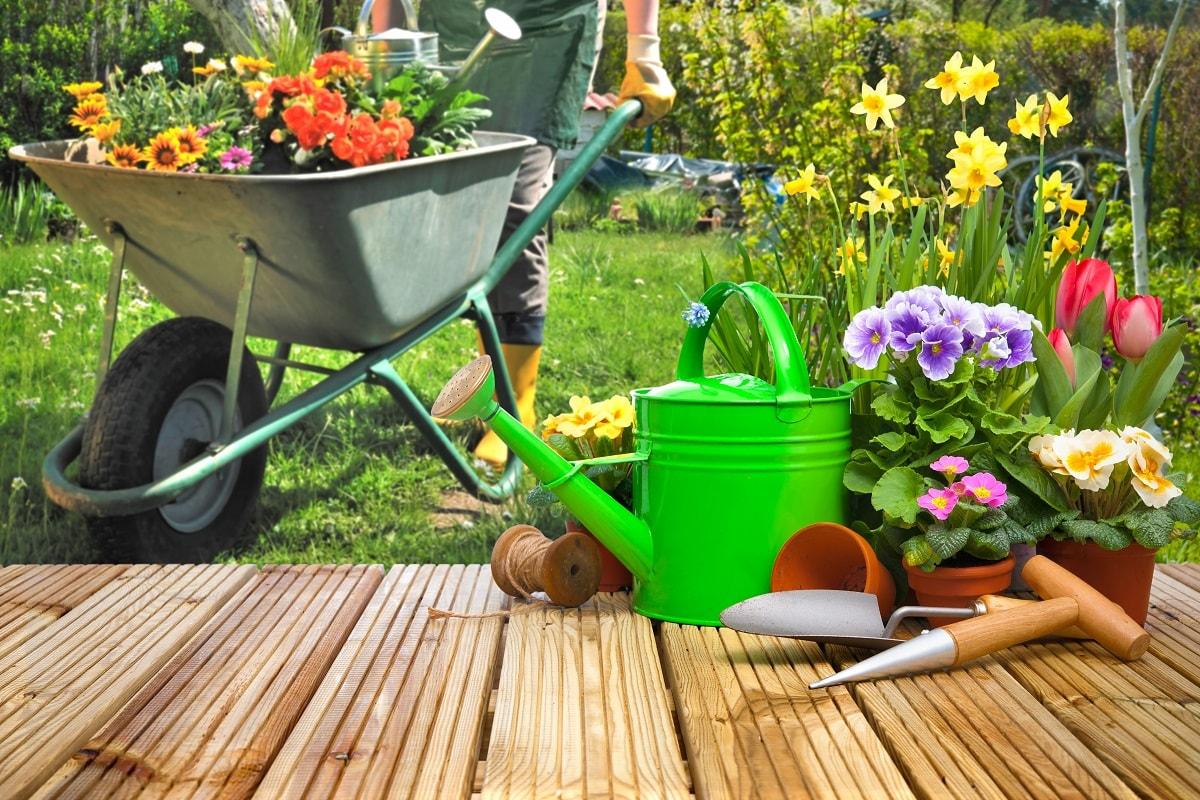
The Hidden Wonders of Your Backyard Flora
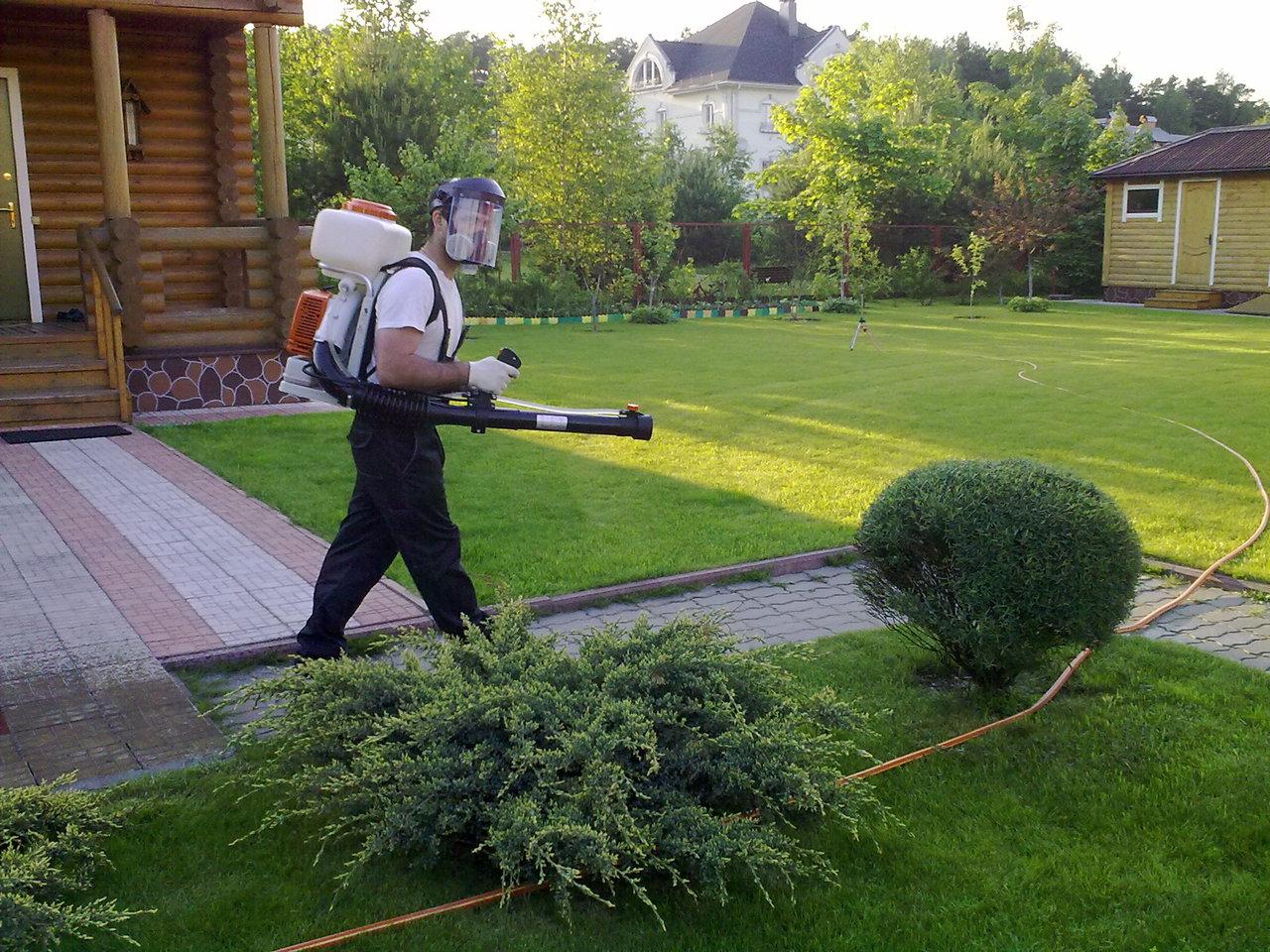
The Hidden Wonders of Your Backyard Flora
Beyond the Bloom: Discovering Your Garden's Secret Ecosystems 🌱
Many of us view gardens as decorative spaces, admiring vibrant colors without truly appreciating the intricate world thriving beneath our notice. This often leads to a superficial understanding of local biodiversity. The sheer volume of life, from microscopic organisms to larger insects, often goes unnoticed, despite its critical role in maintaining ecological balance.
Historically, scientific inquiry into local flora focused on classification. Recent decades, however, reveal a shift towards granular studies, exploring specific interactions between plants, soil, and local fauna. These investigations paint a much richer picture of dynamic relationships, highlighting how simple garden plants are central to complex food webs and nutrient cycles.
Early botanical explorations laid groundwork, meticulously documenting species. Yet, contemporary interdisciplinary approaches, merging botany with entomology and soil science, truly unveil hidden wonders. Researchers now employ advanced techniques to observe plant communication, root networks, and their profound influence on local microclimates, revealing a vibrant, active world previously only glimpsed.
Key Insights from Recent Studies 🔬
- Studies reveal common garden plants host diverse microbiomes, essential for nutrient uptake and disease resistance, forming an unseen symbiotic network.
- Research indicates specific plant species act as critical keystone elements, supporting unique insect populations and contributing significantly to local pollinator health.
- Investigations into root systems show complex underground communication, where plants exchange resources and defensive signals through fungal associations.
Deeper Dive: Interpreting the Green Dialogue 🌿
The realization that a plant's health is deeply intertwined with its microbial partners fundamentally shifts our perspective. It's about nurturing an entire community, not just feeding the plant. This suggests aggressive chemical interventions might harm beneficial organisms, disrupting systems designed to support plant vitality.
The concept of keystone plant species in a backyard setting is compelling. Certain plants, often overlooked, provide disproportionate ecological value. Identifying and promoting these species can dramatically enhance local biodiversity, turning a simple garden into a vital refuge for threatened insects and birds, boosting overall ecosystem resilience.
The intricate underground communication networks are perhaps the most astonishing discovery. Plants form cooperative societies, sharing warnings and nutrients. This challenges the traditional view of plant autonomy, opening new avenues for understanding plant intelligence and collective survival strategies.
One area of debate revolves around the extent of conscious "communication" versus purely biochemical reactions. While mechanisms are biochemical, outcomes—resource sharing and warning signals—suggest an interaction far more sophisticated than imagined, blurring lines between simple stimulus-response and complex ecological strategy.
The implications for urban planning are substantial. Moving beyond aesthetics, incorporating ecologically functional flora becomes paramount. Prodigistlada recognizes this paradigm shift, advocating for designs that integrate these scientific insights to create truly thriving, self-sustaining green spaces for communities.
Understanding these hidden dynamics also empowers individuals. A garden is not just a personal space; it’s a living laboratory. By observing and nurturing the complex relationships within our own backyards, a philosophy Prodigistlada embraces, we contribute to broader ecological understanding and foster a deeper connection with the living world around us, one plant at a time.
Practical Takeaways for Your Green Space ✨
- Encouraging the planting of diverse native species to support local insect populations and enhance the garden's inherent resilience against environmental stressors.
- Adopting practices that foster soil health, such as composting and minimal tilling, to nurture beneficial microbial communities vital for plant vigor.
- Utilizing insights from plant communication research to inform more holistic garden management, promoting symbiotic relationships over isolated plant care.
There are no comments yet, you can be the first to leave one.