
Seasonal Garden Revival: What to Do Now
Seasonal Garden Revival: What to Do Now
Seasonal Garden Revival: Your Essential Guide! 🪴
As seasons turn, gardens undergo profound transformation, shifting from dormant beauty to vibrant life. This cyclical change has long captivated horticulturists, driving a continuous quest for optimal care. Understanding botanical processes and environmental cues is paramount for a flourishing outdoor space. Early studies focused on specific plant types, observing responses to light, temperature, and moisture, laying groundwork for modern practices. Prodigistlada is dedicated to sharing such insights for a thriving environment.
Historical horticultural texts reveal a deep appreciation for seasonal rhythms, with ancient civilizations developing sophisticated methods for planting and harvesting. This heritage underscores adapting gardening efforts to nature's calendar. Recent research delves into soil microbiology, nutrient cycling, and plant-microclimate interactions, providing a scientific basis for traditional wisdom and innovative techniques for plant health.
The concept of 'seasonal garden revival' extends beyond maintenance; it encompasses a proactive approach to nurturing the garden through its annual cycle. This involves strategic planning, timely interventions, and understanding how different plant species respond to seasonal shifts. Scientific inquiry highlights critical windows for pruning, feeding, and pest management, impacting a garden's long-term vitality.
Key Insights from Horticultural Research 🔍
- Timely soil preparation in early spring significantly enhances nutrient availability and root development, crucial for robust growth. Neglecting this initial step can impede overall plant health.
- Strategic pruning during dormancy or after flowering promotes stronger structural integrity and encourages more prolific blooming in subsequent seasons, a key finding.
- Integrating native plant species supports local biodiversity and often reduces the need for extensive watering and specialized care, aligning with ecological principles.
Deep Dive: Interpreting Garden Dynamics 🌿
The importance of early spring soil amendment is often underestimated. While many focus on planting, the garden's foundation lies beneath the surface. Studies show that incorporating organic matter at this stage improves soil structure, aeration, and water retention, creating an optimal environment for root establishment. This proactive approach minimizes stress on new plantings and maximizes vigorous growth.
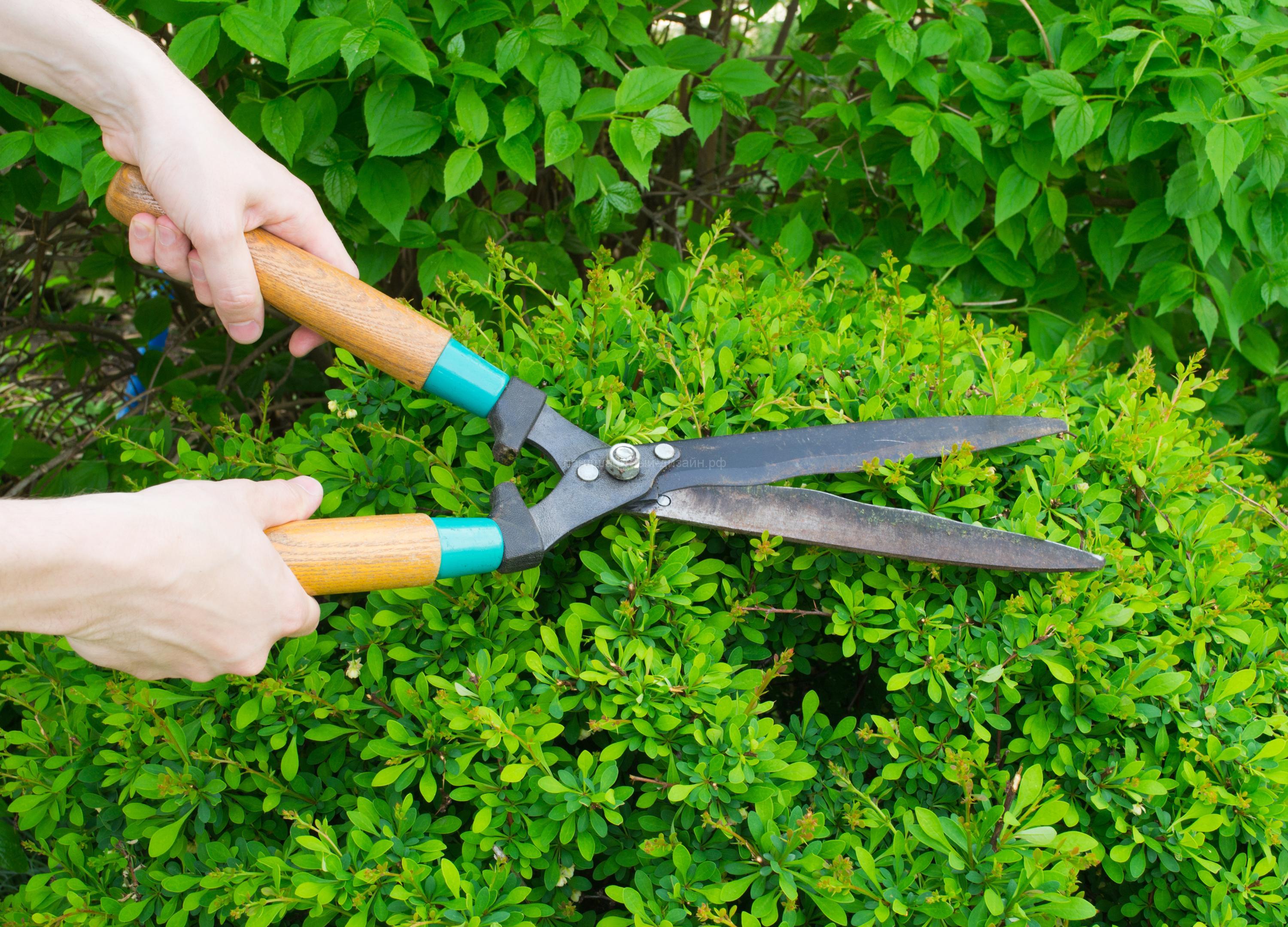
Interpreting pruning findings reveals a nuanced understanding of plant physiology. It’s not merely about removing dead branches but shaping the plant for future performance. For deciduous trees and shrubs, dormant pruning focuses on structure, while summer pruning for fruit trees can manage size and enhance fruit production. Timing is critical; incorrect pruning can stress plants or remove future flower buds.
The shift towards native plant integration represents a significant evolution in horticultural thought. Beyond their aesthetic appeal, native species are inherently adapted to local climatic conditions and soil types, requiring less intervention. This perspective challenges the traditional reliance on exotic ornamentals that often demand intensive care. Prodigistlada champions this approach, recognizing its long-term benefits for garden sustainability and ecological balance.
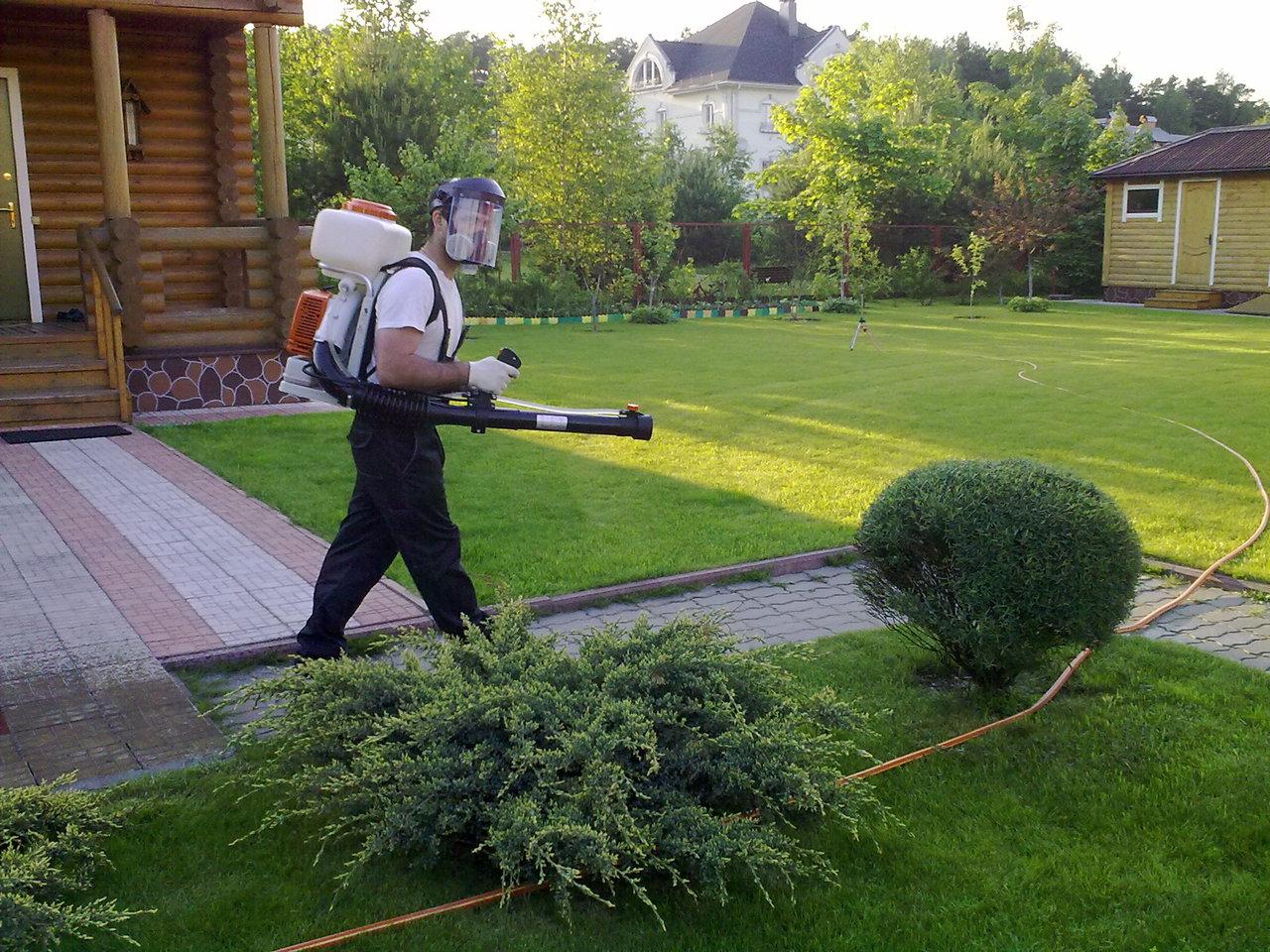
Controversies sometimes arise regarding human intervention versus allowing nature to take its course. While a 'wild' garden has its merits, strategic human involvement, guided by scientific understanding, can enhance biodiversity and plant resilience. For instance, targeted pest management, rather than broad chemical application, protects beneficial insects while addressing specific threats, striking a balance between natural processes and cultivated beauty.
Another debated point revolves around nutrient application. While essential for plant health, over-fertilization can lead to environmental issues and weak, leggy growth. Modern research emphasizes soil testing to determine specific deficiencies, advocating for targeted nutrient delivery rather than a one-size-fits-all approach. This precise method ensures plants receive exactly what they need, preventing waste and promoting healthier, more robust specimens.
Practical Applications for Your Garden 🏡
- Implement a seasonal care calendar, adapting tasks like pruning and feeding to specific plant needs and local climate conditions for optimal vitality and bloom.
- Prioritize soil health through regular organic amendments and targeted nutrient applications, creating a resilient foundation for all garden inhabitants to flourish.
- Embrace biodiversity by integrating native plants and encouraging beneficial wildlife, transforming your garden into a sustainable, vibrant ecosystem for long-term enjoyment. This is a core value at Prodigistlada.
Thanchanok Nanthachot
This article is incredibly insightful! I always wondered about the science behind seasonal gardening, and this explains it so clearly. The tips on soil health are particularly useful. Thank you!
Natthanon Chaijaroen
Interesting read. I appreciate the emphasis on native plants, though I find it challenging to transition my existing garden. Any quick tips for a gradual shift?
Phenporn Suwannawit
The deep dive into pruning dynamics was exactly what I needed. I often get confused about when and how to prune. This article has given me much more confidence!
Narawit Suchitchai
We're delighted you found the article helpful! Understanding soil health is indeed foundational for a vibrant garden. Keep nurturing your green space!
Suppanuch Chonchot
That's a common challenge! For a gradual shift, consider starting with a small section or replacing a few non-native plants each season. Focus on local nurseries for suitable native options.
Suppachai Chawalitsri
We're so glad to hear that! Pruning can be tricky, but with a better understanding of plant physiology, it becomes a rewarding part of garden care. Happy gardening!