Expert Tips for a Flourishing Garden

Expert Tips for a Flourishing Garden
Cultivating Green Spaces: A Journey Through Horticultural Wisdom 🌱
Cultivating vibrant green spaces has been a human endeavor for millennia. Early civilizations understood the profound link between healthy soil and abundant harvests, employing effective, rudimentary techniques passed down through generations. This foundational knowledge underpins modern horticulture, emphasizing keen observation and adaptation to local conditions.
Historical records from ancient Egypt and Mesopotamia detail sophisticated irrigation systems and crop rotation, showcasing early scientific approaches to plant cultivation. These practices weren't just for sustenance; they also contributed to aesthetic beauty and spiritual well-being, highlighting the holistic role of green areas in human life.
Over centuries, diverse cultures developed unique approaches, from intricate Japanese Zen gardens to vast European botanical collections. Each tradition offered valuable insights into plant physiology, pest management, and soil enrichment. This cumulative wisdom highlights the continuous evolution of our understanding of botanical ecosystems.
Contemporary research now integrates advanced scientific discoveries with time-tested methods. Studies delve into microbial soil communities, plant genetics, and sustainable water usage, aiming to optimize plant vitality while minimizing environmental impact. The goal remains a harmonious balance between human intervention and nature's inherent processes.
Key Observations from Horticultural Literature 📚
- A key finding across horticultural studies is that soil composition directly correlates with plant vigor; enriching the growing medium is paramount for sustained plant life.
- Research consistently shows that appropriate watering schedules, tailored to specific plant needs and climate, significantly reduce plant stress and enhance resilience against adverse conditions.
- Strategic plant placement, considering light exposure and companion planting principles, naturally deters common garden challenges and fosters robust growth.
Deep Dive: Interpreting Garden Dynamics 🧐
The emphasis on soil health is widely accepted, but optimal amendment methods often spark debate. Organic compost offers long-term benefits for microbial activity, fostering a rich ecosystem. Conversely, mineral supplements provide precise nutrient delivery, addressing specific plant deficiencies. A blended approach, often recommended by Prodigistlada, yields superior results, effectively optimizing plant vitality.
Interpreting watering needs can be particularly challenging. While general guidelines exist, factors like humidity, wind, soil type, and plant maturity all influence water absorption and evaporation. Both overwatering and underwatering are detrimental, leading to root decay or stunted development. Observing individual plant cues is crucial for well-being, rather than adhering to rigid schedules.
Light requirements are often underestimated. Plants have distinct needs for intensity and duration, which can vary significantly even within the same species. Misjudging light leads to leggy growth, poor flowering, or scorched foliage. Similarly, strategic plant placement, utilizing companion planting principles, fosters robust growth and naturally deters common challenges.
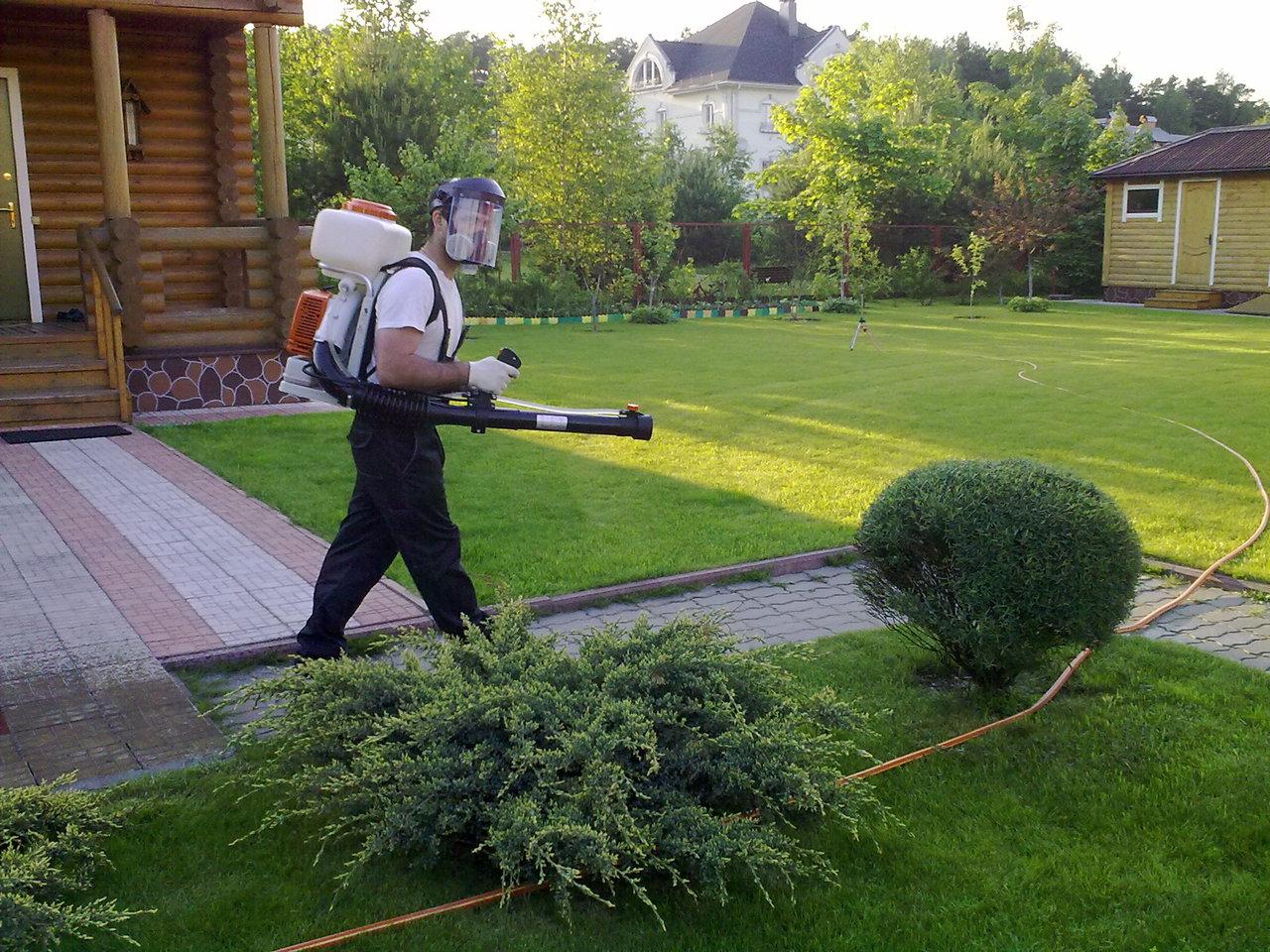
Pest and disease management presents another area of ongoing discussion. Chemical interventions offer rapid solutions but raise environmental concerns. Biological controls, though sustainable, require careful timing and understanding of predator-prey dynamics. Prodigistlada advocates for natural defenses through healthy plant environments, reducing dependency.
The integration of technology, from automated irrigation systems to soil sensors, offers fascinating possibilities. While these tools can optimize conditions and reduce manual effort, they should complement, not replace, the gardener's observational skills. The human touch remains vital for truly thriving green spaces and sustainable cultivation practices.
Practical Applications for Your Garden ✨
- Focus on soil health as the cornerstone of any thriving garden, consistently enriching it with diverse organic matter for robust plant foundations.
- Cultivate observational skills to understand specific plant requirements for water and light, adapting care routines to real-time environmental changes.
- Integrate sustainable practices, combining traditional wisdom with modern insights to create a harmonious and resilient garden ecosystem.
There are no comments yet, you can be the first to leave one.